
Now accepting enquiries for upcoming Shreevan Wellness retreats.

Core Modality · Shreevan Wellness Rishikesh

Guided Meditation Retreat in Rishikesh

Quiet Mental Noise, Practice Stillness and Build Attention Habits

Guided meditation at Shreevan Wellness gives busy minds a clear place to begin. This guided meditation retreat in Rishikesh uses breath awareness, simple attention cues and quiet reflection. The practice is gradual, beginner-friendly and free from forced silence. You learn a daily rhythm that can continue after the retreat.

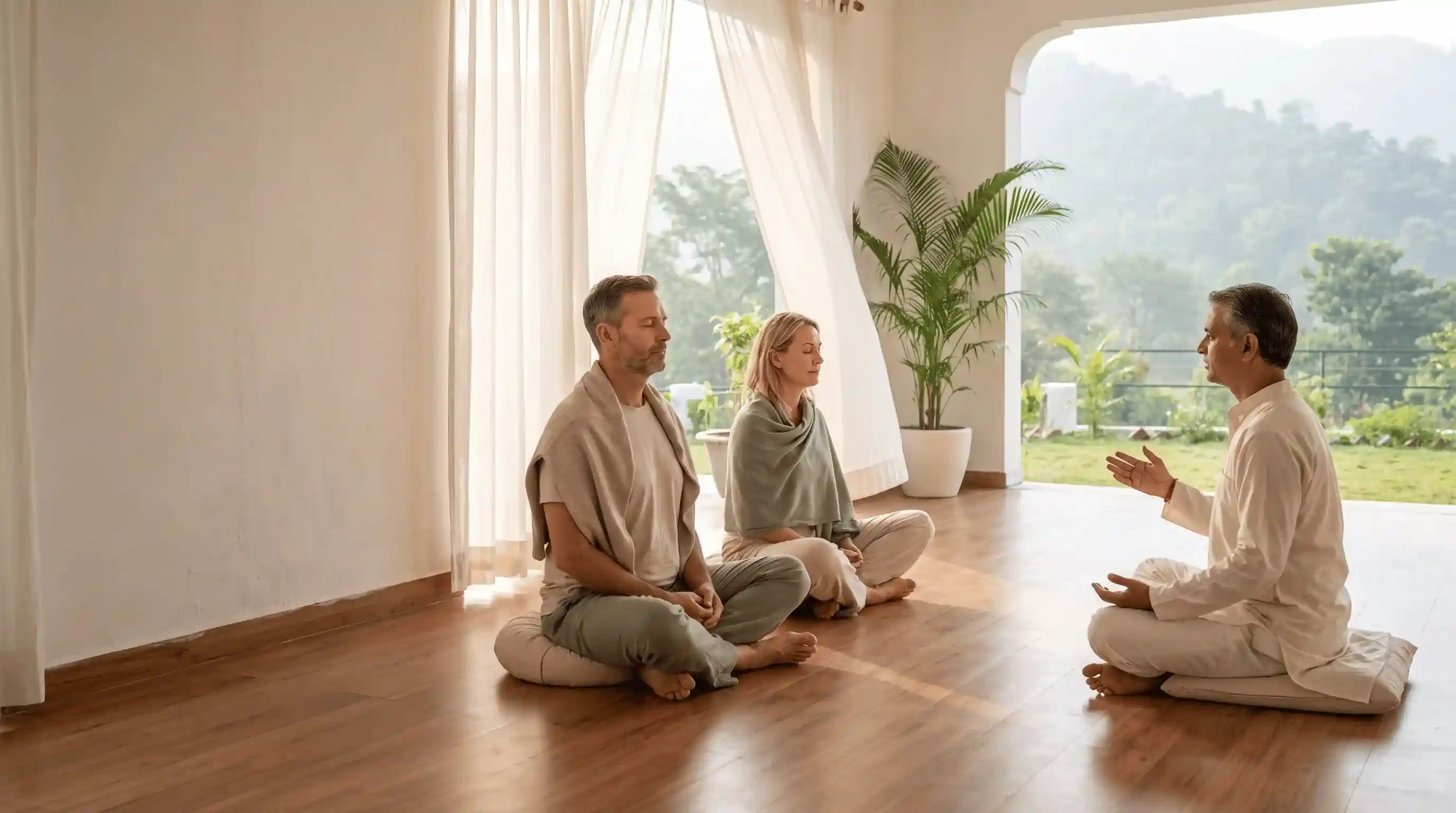
Guided meditation retreat in Rishikesh with facilitator-led seated practice
A calm practice setting helps beginners enter stillness without pressure.

Quick answer

In simple terms

Guided meditation in Rishikesh at Shreevan means a facilitator leads you through breath, sound, body awareness and reflection. You do not have to stop every thought. The aim is to notice the mind, soften pressure and build a simple meditation habit.

Best for
  • Beginners who want a guided meditation retreat in Rishikesh.
  • Guests who feel mentally busy, distracted or screen-tired.
  • Professionals who want a calm routine they can continue at home.
What to expect
  • Clear breath cues and short periods of silence.
  • Simple attention anchors, body awareness and reflection.
  • Journaling or quiet integration after some sessions.
What it is not
  • Not psychotherapy or psychiatric treatment.
  • Not a promise to stop thoughts forever.
  • Not a strict silent retreat or endurance test.
Program fit

The practice is applied differently by duration. Short programs use it gently; longer programs allow more repetition and integration.

Compare programs
01

What guided meditation means at Shreevan

Guided meditation is a supported attention practice. A facilitator gives simple cues so you are not left alone with a restless mind. The cue may be breath, sound, body sensation, a short phrase or a reflective question.

This matters because many people feel more mental noise when life becomes quiet. Guidance helps you stay with the practice without forcing silence.

At Shreevan, guided meditation is taught as wellness education. It is not therapy, diagnosis or treatment. It is a practical way to notice attention and build a calmer rhythm.

02

Why guided meditation in Rishikesh helps beginners

A guided meditation retreat in Rishikesh gives you time away from screens, rushed meals and constant decisions. The setting supports slower breath, quieter mornings and steady practice.

Many guests have tried meditation apps at home. They may still struggle with routine. A retreat gives them a clean container: guidance, food rhythm, movement, rest and reflection.

This does not make meditation a quick fix. It simply gives the mind fewer distractions and a better place to learn.

03

How the practice works inside the retreat day

A session may begin with arrival cues. You notice the seat, the breath and the body. The facilitator then gives a simple anchor for attention.

Some sessions may include breath awareness. Some may include body scanning, sound focus, journaling or short silence. You can use a chair, cushion or soft gaze if needed.

Morning guided meditation can help the day begin slowly. Evening practice can support reflection before rest. Repetition makes the practice easier to remember at home.

04

Core practices used in guided meditation

Guided meditation at Shreevan uses simple practices instead of complicated theory. The goal is to make stillness understandable.

Breath awareness helps you notice natural breathing without forcing it. Anchor practice gives attention one clear place to return. Body awareness helps you notice posture, tension and comfort.

Sound awareness teaches listening without chasing every thought. Reflective journaling gives you a few clear notes after practice. These practices support guided meditation for beginners because they give the mind something clear to do.

05

What beginners should know

You do not need prior meditation experience. You do not need to sit perfectly. You also do not need to stop every thought.

Meditation for beginners works best when the practice is short, clear and kind. If the mind wanders, you return to the cue. That return is part of the practice.

Some guests prefer eyes open. Some need a chair. Some need movement before sitting. A responsible retreat allows practical options.

06

What to be careful about

Meditation can feel gentle, but it is not right for every person at every time. Long silence and deep inward focus can feel difficult for some guests.

Be careful if you have active panic, severe depression, recent trauma, severe insomnia or crisis-level distress. In those situations, speak with a qualified mental-health professional before choosing a meditation-heavy retreat.

The question is not whether meditation is good in general. The question is whether this form, duration and timing are suitable for you now.
Practice clarity

How a guided meditation retreat compares to apps and silent retreats

A meditation app can help you start, but it cannot always adjust to your state. A silent retreat can be deep, but it may feel too intense for some beginners.

A guided meditation retreat in Rishikesh sits between those options. It gives you human guidance, a retreat rhythm and enough softness to build trust with the practice.

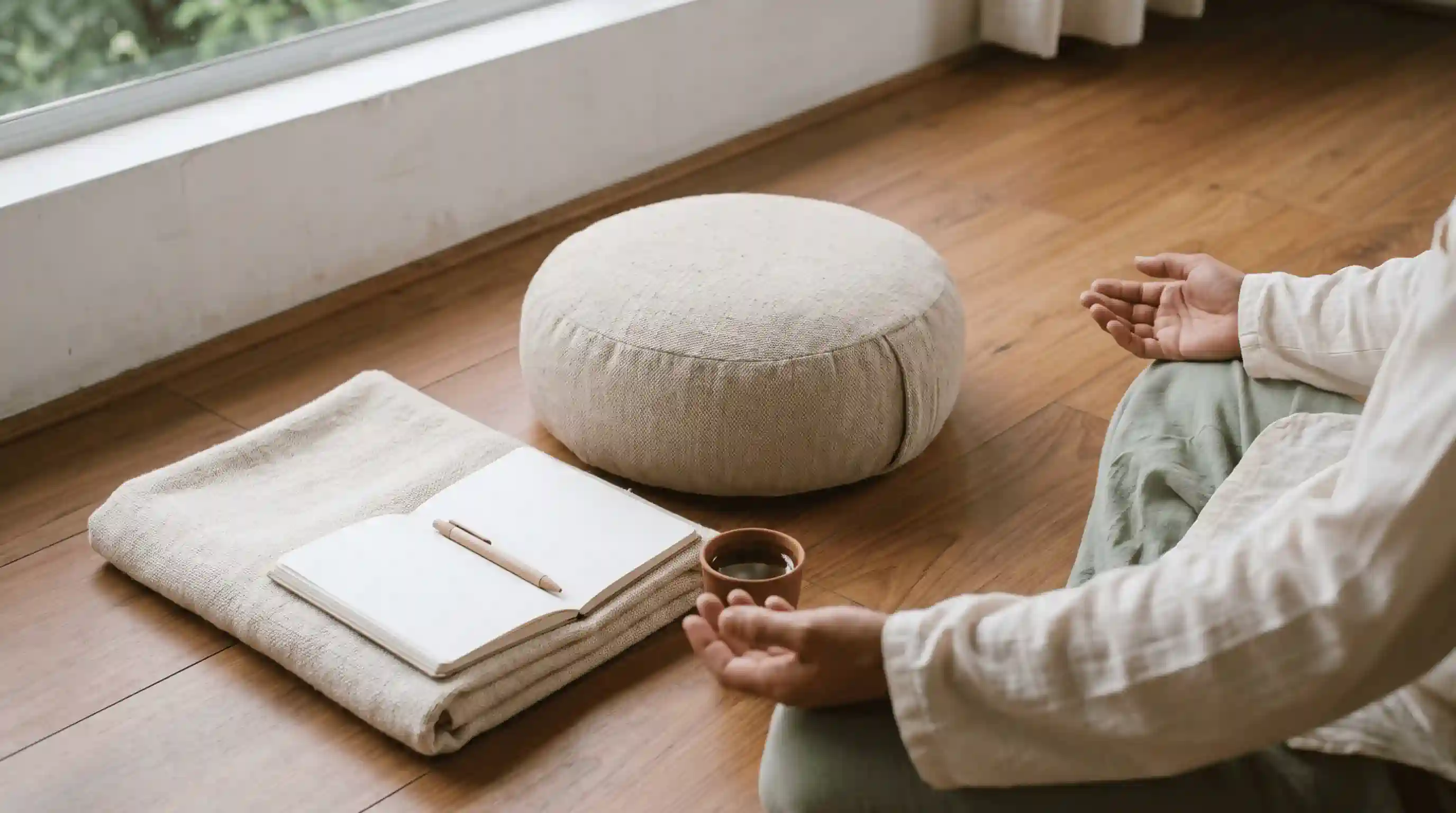
Guided meditation practice setup with cushion and journal in Rishikesh
Simple anchors make meditation easier to understand and repeat.
AspectGuided meditation retreat at ShreevanApps or strict silent retreats
GuidanceHuman guidance with clear cues.Pre-recorded audio or limited verbal guidance.
SettingQuiet Rishikesh retreat rhythm.Home, work setting or dedicated silence setting.
PaceGentle and adjustable.Self-paced or often more intensive.
Beginner fitBuilt for gradual entry.Easy to start or better after readiness.
GoalDaily attention habits and reflection.Short practice support or deep silence discipline.

Retreat experience

How this practice is held in the daily rhythm

A modality is not only a session. It has a before, during and after. The integration determines whether the practice becomes useful beyond the retreat.

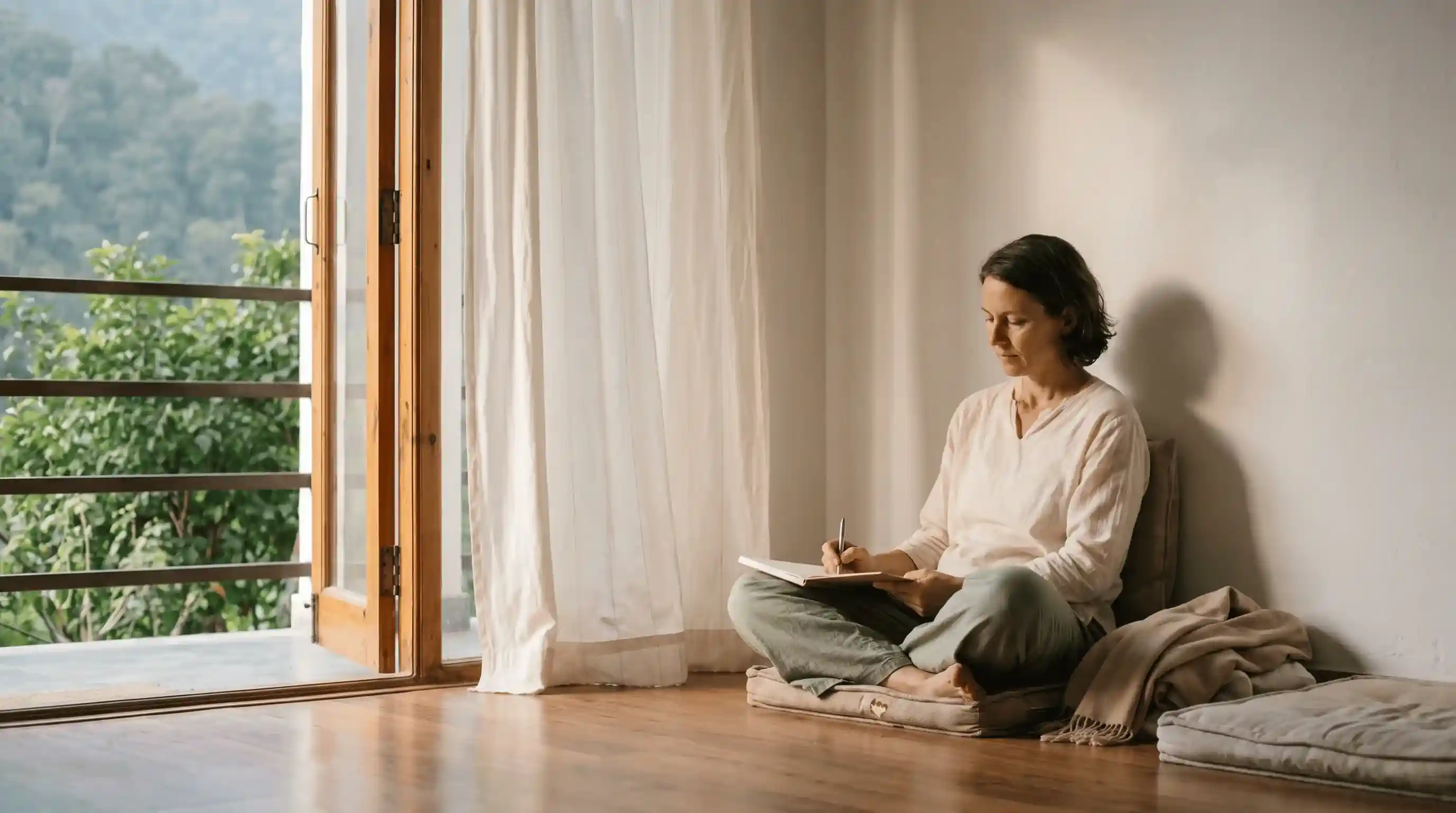
Guest journaling after guided meditation at a Rishikesh retreat
Reflection helps guests carry the practice into daily life.
01

Before session

Clear entry

The facilitator explains the practice, time and options before you begin.

02

During session

Guided attention

You may notice breath, body, sound, silence or a simple reflective question.

03

After session

Gentle grounding

You may journal, sit quietly or move slowly before returning to the day.

04

Daily rhythm

Repeatable practice

The goal is a meditation habit you can continue, even if it is short.

Suitability

Who this may suit, and when to slow down

May suit you if

  • You want guided meditation for beginners in a calm retreat setting.
  • You feel mentally busy and want a slower daily rhythm.
  • You value reflection, journaling and self-observation.
  • You want a guided meditation retreat that is not rigid or dogmatic.

Be careful if

  • You expect meditation to remove every thought.
  • You are using retreat practice to avoid professional support.
  • You want a very intense silent practice without prior experience.

Consult a professional if

  • You have active panic, severe depression or crisis-level distress.
  • You are changing psychiatric medication or currently under clinical care.
  • You have a trauma history and inward attention can feel destabilizing.

Connection map

Where to go next

Related pages keep the learning path clear: modality pages explain method, and program pages explain the duration-based retreat container.

What is guided meditation?

Guided meditation is a practice where a facilitator leads your attention with simple cues. The cue may be breath, sound, body awareness, silence or reflection. At Shreevan, it is a wellness practice, not therapy or medical care.

Is guided meditation suitable for beginners?

Yes. Guided meditation for beginners is often easier than sitting alone in silence. The facilitator gives clear steps, short pauses and simple anchors. You do not need previous experience.

What happens during a guided meditation session?

A session usually begins with arrival cues. You may notice breath, body, sound or a reflective question. The facilitator may include short silence, then guide you back gently.

Will meditation stop my thoughts?

No. Meditation does not require a blank mind. Thoughts may continue. The practice is about noticing thoughts without automatically following each one.

Can guided meditation help with stress?

Guided meditation may support stress awareness and general calm for some guests. It can give you space to notice breath, thought patterns and pressure. It is not a replacement for professional care when symptoms are significant.

Is guided meditation the same as therapy?

No. Guided meditation at Shreevan is a non-clinical wellness and self-observation practice. It is not psychotherapy, psychiatric care, trauma treatment or crisis support.

Which Shreevan programs include guided meditation?

Guided meditation appears across the Shreevan retreat pathway. The 3-day program uses it gently. The 7-day program builds rhythm. The 14-day, 28-day and 60-day programs allow more repetition and reflection.

Calm next step

Let stillness feel held, not forced.

If you are unsure how much guided meditation is right for you, use the suitability call. We will help you choose a guided meditation retreat in Rishikesh that fits your current capacity.